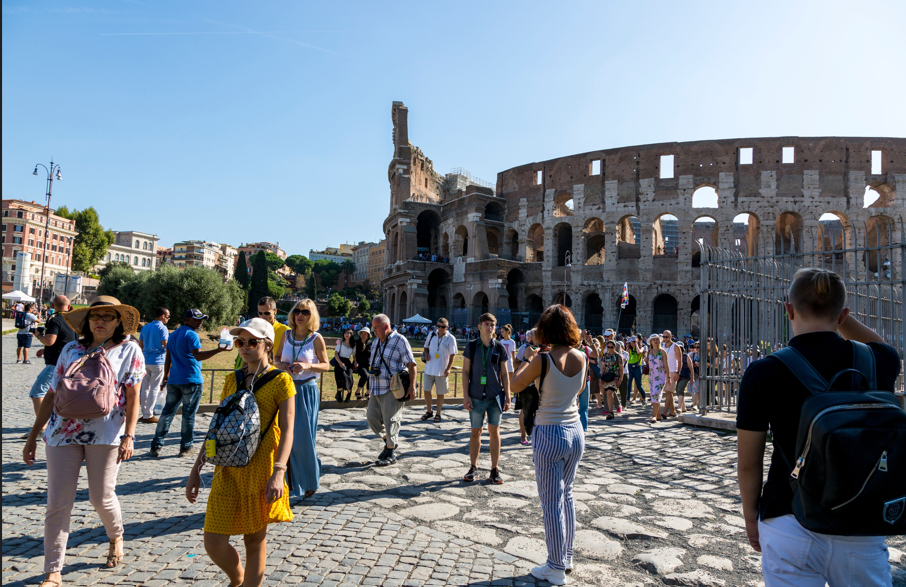
The modern way of life and mass tourism have given us access to many beautiful destinations and unforgettable experiences, as well as the wonderful freedom to travel. However, we have gained all of this at too high a cost to our ecosystem. Mass tourism and travel leave a deep and often permanent mark on nature and local communities.
Today, we witness many forms of pollution. Examples include single-use plastics, excessive water consumption in large hotel complexes, and uncontrolled waste disposal. These issues seriously threaten rivers, oceans, and wildlife. Transportation is one of the most significant sources of pollution in the tourism sector. Air travel, cruise ships, and motor vehicles release huge amounts of harmful gases into the atmosphere every day.
The tourism sector is responsible for around 8% of total global greenhouse gas emissions. This includes transport, accommodation, and consumption. Transport alone accounts for 72% of these emissions. Air travel produces around 2.5% of global CO₂ emissions. For instance, a round-trip flight from London to New York produces an amount of CO₂ that would require a hectare of forest to absorb over the course of a year.
Our good choices matter
Every time you travel, you leave a footprint. The way you choose transport, where you stay, what you eat, and what you do has a direct impact on local communities, cultural heritage, and natural ecosystems. Here are a few suggestions to consider when planning your next trip:
-
- Consider transport options: prioritise trains or buses over short flights and car travel.
-
- Reduce your use of single-use plastic items by bringing your own water bottle, cloth bag, reusable cutlery and solid toiletries (such as bar soap and shampoo). Eat at markets and family-run restaurants, and buy handmade goods from local artisans.
-
- Respect the nature and culture of the places you visit: Respect the nature and culture of the place you visit by following rules in protected areas, not disturbing wildlife, learning a few basic words of the local language, and respecting local customs.
Travel Without Harm
Sustainable development and travel are not just ideas that we can choose to ignore — they are our responsibility towards the world in which we live. Every decision we make, from how we produce energy and travel to how we use resources and build communities, shapes the future of our planet.
It is important to view nature, society and the economy as interconnected parts of a single whole. Only then does progress gain true meaning: growth becomes renewal rather than depletion; the air feels lighter, carrying the promise for new generations.
It is important not only to know where we are going but also to consider what kind of footprint we are leaving behind.